Unveiling the psychology behind casino design
The Art of Ambience in Casinos
The ambience of a casino is meticulously crafted to engage the senses and create an inviting, immersive environment. Designers often use a combination of lighting, color, and sound to evoke feelings of excitement and comfort. For instance, soft yet vibrant lighting can encourage players to stay longer, as it masks the passage of time and creates a sense of euphoria. Many players prefer to find an online casino accepting neosurf that offers a seamless experience, as the strategic use of colors can also influence emotions; warm colors like red and gold are common as they evoke feelings of warmth and luxury.
Moreover, sound is an essential element in casino design. The subtle background music, combined with the sounds of slot machines and the chatter of players, builds an energetic atmosphere that entices visitors. The rhythmic nature of these sounds can create a trance-like state, making it difficult for players to disengage from the gaming experience. The overall effect is a sensory overload that is intentionally designed to distract and engage, keeping players focused on the excitement of gambling.
Another significant aspect of ambience is the layout of the casino itself. Open designs allow for fluid movement and a sense of freedom, encouraging visitors to explore various game offerings. Strategically placed high-stakes tables and lucrative slots are often located in high-traffic areas to attract players. This design not only increases visibility of the games but also encourages competition, as guests are drawn to the excitement of others winning, creating a contagious atmosphere of thrill.
Psychological Tricks in Casino Layout
The layout of a casino is a carefully planned strategy that plays on psychological principles to keep players engaged for extended periods. Casinos frequently employ a maze-like floor design, complete with winding pathways and strategically placed obstacles. This setup disorients players, preventing them from realizing how long they have been gambling, making it easier for them to lose track of time. This disorientation mixed with excitement can lead individuals to spend more money than intended.
Additionally, the placement of amenities such as bars, restaurants, and restrooms is crucial in retaining players. By ensuring that these facilities are not immediately visible or accessible, casinos compel guests to explore further into the gaming area. This tactic not only increases the time spent within the facility but also encourages impulse gambling, as the desire for refreshments or comfort can lead to detours through intense gaming zones.
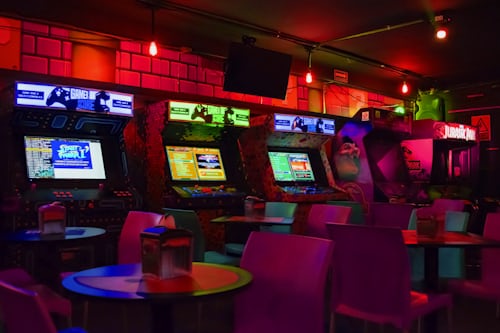
The psychological impact of proximity is another intentional aspect of casino design. By clustering similar games and high-stakes areas together, casinos can create an engaging environment where players are intrigued by others’ participation and wins. This sensation of community can amplify the thrill of playing, spurring individuals to test their luck simply because they observe others doing the same. Such cleverly designed environments cultivate a sense of urgency and excitement, urging players to continue their gaming journey.
The Role of Reward Systems
Gamification is a vital component of casino psychology, where reward systems are employed to motivate and encourage players. Casinos often utilize tiered loyalty programs that increase in value as players wager more. This system plays on the psychology of reinforcement, where individuals are more likely to continue playing in anticipation of earning rewards, such as bonus credits or exclusive experiences. The thrill of potential rewards can lead players to invest significantly more than they initially planned.
Additionally, the ‘near-miss’ phenomenon is leveraged strategically in game design. This concept refers to instances where players come close to winning but do not actually win. Such scenarios can trigger a chemical reaction in the brain, releasing dopamine, which elicits feelings of pleasure and excitement. This emotional high can lead to an increased desire to play more, as players believe they are „just one more game” away from a win. This design strategy encourages relentless gambling behavior.
The inclusion of instant gratification experiences, such as jackpots and free spins, also reinforces play. Casinos are well aware of how important immediate rewards are to players. When individuals receive a small reward after a cycle of play, it gives them a sense of achievement, thus making them more likely to continue betting in hopes of hitting the big prize. This constant loop of reward and expectation keeps players engaged and invested in their gambling experience.
The Influence of Social Dynamics
Social interactions within a casino setting can significantly impact player behavior and decision-making. Casinos create environments that encourage interaction, whether through group tables or lounge areas that promote conversation. The presence of other players can heighten the excitement, creating a social atmosphere where wins and losses are shared experiences. This communal aspect can draw individuals deeper into the casino experience, as they feel part of a larger event rather than isolated in their gaming endeavors.

Moreover, the presence of attractive dealers or game hosts can also influence player engagement. Casinos often hire charismatic staff who can keep the energy high and players entertained. The interaction with these personalities can create a bond that boosts the overall enjoyment of the gaming experience. This psychological principle ties back to the idea of social validation; players are more inclined to continue engaging when they feel appreciated or entertained by those around them.
The visibility of big winners and vibrant celebrations further amplifies social dynamics. Casinos frequently highlight significant wins through announcements or displays, creating a buzz that encourages others to participate. The allure of potentially being the next big winner instills a sense of optimism, fueling a desire to gamble. This strategic cultivation of social influences builds a robust community feel, making the casino experience more engaging and enticing for individuals.
Enhancing the Online Experience
As the digital landscape expands, understanding the psychology behind casino design remains crucial for online platforms as well. Websites aim to replicate the engaging ambience of physical casinos through immersive graphics, sound effects, and user-friendly interfaces. The design elements used in the best online casinos are aimed at retaining player interest and increasing the likelihood of repeat visits. Sophisticated animations and realistic game simulations foster a sense of presence, drawing players into the experience.
Many online casinos also incorporate gamification tactics akin to their physical counterparts. This includes implementing reward and loyalty programs that enhance user engagement. By providing players with incentives such as bonuses, free spins, and competitive leaderboards, online platforms can mimic the excitement of land-based casinos. These elements create a personalized experience that caters to the psychological needs of players, making them feel valued and more likely to return.
Additionally, fostering a social environment in virtual settings is essential. Features like chat rooms and multiplayer options encourage interactions among players, creating a sense of community that replicates the social dynamics of traditional casinos. Integrating live dealer games adds another layer of interaction, bridging the gap between online and offline experiences and enhancing the emotional connection of players. Understanding the psychological aspects in both realms proves vital for the success of casino websites, ensuring they remain competitive and engaging.